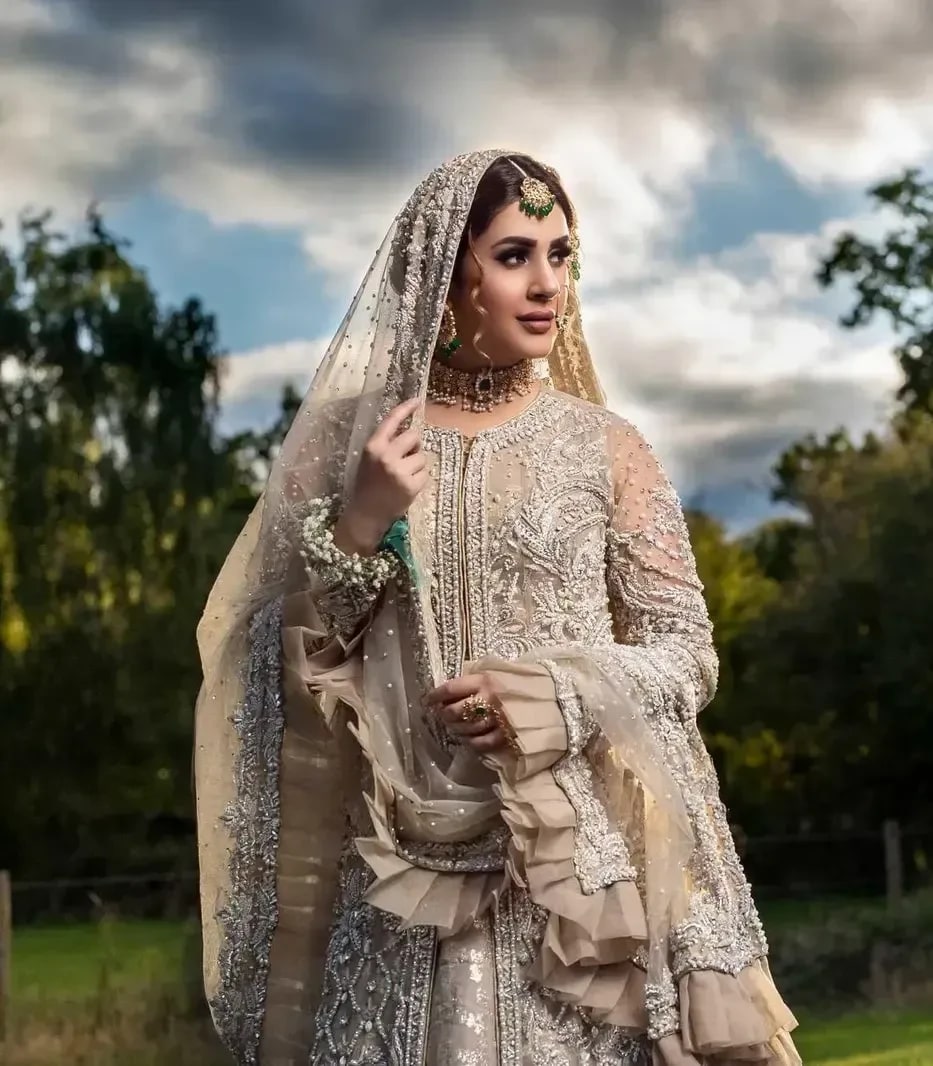
Wedding videography
A wedding film you can hear as well as watch.
Only video brings back the sound of the day: your vows, your mother's voice at the sangeet, the room going quiet when you walk in.
What video keeps that photos cannot
A film records time passing, so you get the lead-in as well as the climax.
A photograph catches your partner seeing you for the first time. Video holds the few seconds before that, the nerves and the held breath, and then the words that follow, in their own voice rather than as you half-remember them.
Over 9,700 weddings we have noticed that couples relive the day through sound more than anything: laughter during a toast, tears at the ceremony, the kirtan, the mantras, a whole ballroom singing along. A film is also how relatives who could not fly in finally see the ceremony from start to finish.
That is why we treat a wedding film as a story rather than a timeline. We edit for emotion and pace, and grade an afternoon mehndi in the sun and an evening ceremony indoors until they sit together as one film.
How we film
Cinematic comes from where the camera stands, how the footage is paced and how color is handled, not from effects added later.
- 01
Where we stand
We move with purpose and anticipate what comes next, keeping the setting in frame during the ceremony so the sacred fire, the relatives and the space all read on screen.
- 02
Shooting for the edit
Wide shots to set the scene, medium for interaction, close-ups for detail. Unhurried through the emotional moments, energetic through the dancing.
- 03
Color that follows the mood
A nikkah has a different feel from a baraat, and the pheras feel nothing like the reception. The grade respects that instead of pressing everything into one look.
- 04
Audio
Lavalier microphones on the officiant and the speakers, so the ceremony and toasts are clear instead of lost in the echo of a ballroom. Couples tell us this is what they replay most.
- 05
Backup for every moment that happens once
Multiple cameras on anything unrepeatable, plus spare bodies, batteries and audio recorders on hand. No gear failure gets to take a moment from you.
- 06
Editing
Fifty or more hours of footage are shaped by theme instead of clock time, so the film follows how the weekend felt.
Videography coverage
The size of the crew comes down to how many events need filming at the same time.
Wedding day
- Eight to ten hours
- One videographer
- Ceremony, reception and everything in between
- Edited film of 8 to 12 minutes
Wedding weekend
- Two to four days
- Two videographers
- Mehndi, haldi or pithi, sangeet or garba, baraat, ceremony and reception
- Edited film of 15 to 20 minutes covering every event
Two videographers on a wedding weekend is a practical necessity, since one person cannot film two events at once.
Add-ons
- Same-day highlight edit to show at the reception
- Aerial footage where the venue and local rules allow
- Ceremony livestream for relatives watching from India, Pakistan, the UK or elsewhere
- Extended edit built around family interviews
Travel and accommodation are itemized separately in your written quote.
We don't publish prices, because no two multi-day weddings are the same. Tell us your date, your city and how many events you are planning, and we will send an itemized quote with nothing to decode.
Twenty-five years in the room
Why couples choose us for video
We understand your ceremony and how to film it, and our 187 Google reviews average 4.9 out of 5.
We know the rituals
Our crews can anticipate the ijab-qabul and know its significance, can tell the four laavan apart, and frame the pheras differently from a baraat. Understanding a wedding is what separates a film from footage.
We are technically prepared
Multiple camera angles, mics on the officiant and speakers, and years of filming in low-light gurdwaras and temples while respecting their rules, followed by a grade that ties together footage from several venues and days.
How the film is made
- 01Week 1
Review
Every clip gets watched and logged so we understand the arc of your weekend before editing starts.
- 02Weeks 1 to 2
Rough cut
Structure, order and overall shape. We pick the soundtrack together, using music that can be legally licensed.
- 03Weeks 2 to 3
Polish
Timing is tightened, color is matched venue to venue, and the audio mix is balanced so the ceremony sound comes through cleanly.
- 04Weeks 4 to 5
Your feedback
You review the cut and send notes. Up to two revision rounds are part of the service.
- 05Weeks 5 to 6
Delivery
The final film is sent through a secure link, with a cloud backup kept, so it is yours to share and pass down.
Questions
Before you ask.
How long will our film be?
A single-day film usually runs eight to twelve minutes. A full wedding weekend edit runs fifteen to twenty. We aim for a film you will want to rewatch rather than one that shows everything.
How do you turn a three- or four-day wedding weekend into one film?
We edit by theme rather than in strict order. Yours could start with the dhol at the baraat, jump back to the bridal suite, settle into the ceremony as its emotional center, and then move out into the reception. It follows the feeling of the weekend more than the clock.
Can we choose our own music?
Yes, as long as it can be licensed. If a track cannot be, we will suggest the closest option that can. Unlicensed music is the usual reason wedding films get muted on Instagram and YouTube.
Can relatives overseas watch the ceremony live?
Yes, a ceremony livestream is available as an add-on, which suits families with grandparents in India, Pakistan, Bangladesh or the UK who cannot travel to the US.
Do we get the raw footage?
Unedited footage is not included as standard; the value is in the curating and cutting, and the raw files run to many hours and drives. If you want it, raise it and we will talk through options.
When should we lock in a videographer?
Six to twelve months ahead works well for a US wedding, because the crew travels in for it and peak weekends go first.
Inquire
Is your datestill free?
Tell us the date and the venue and we will come back within one business day with availability, a team size and an itemized quote.